
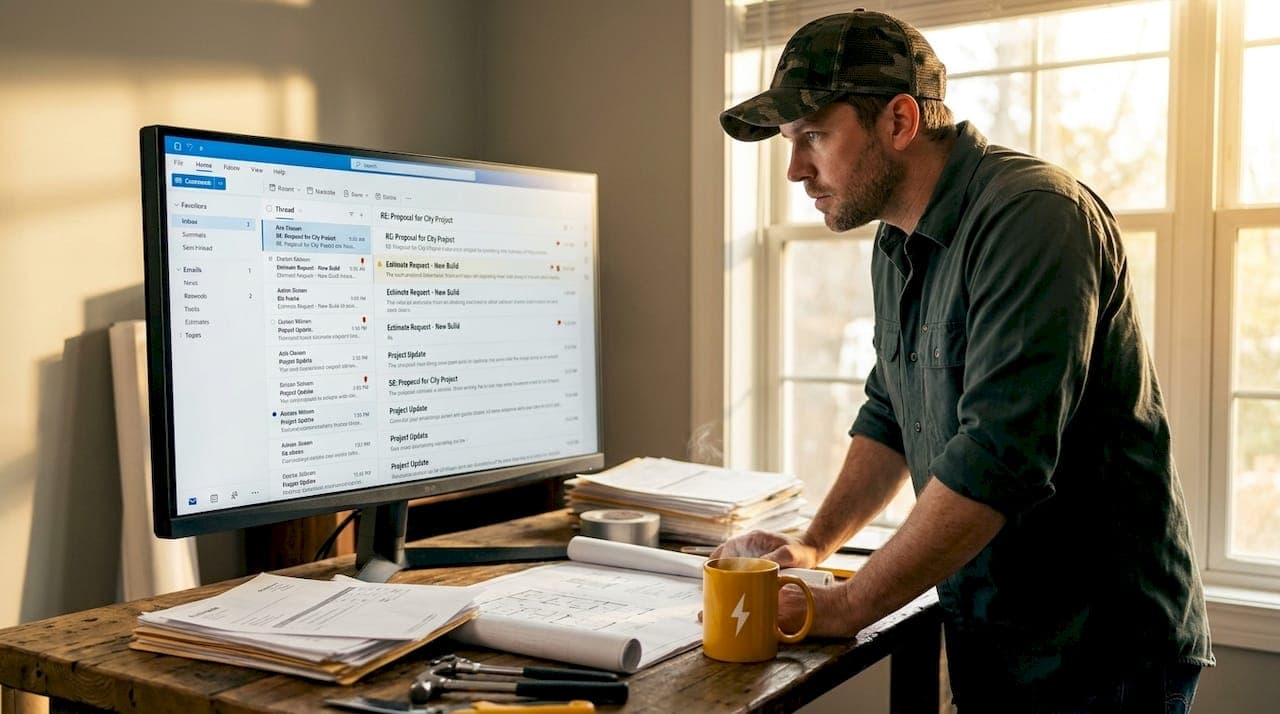
You just spent two hours on a site visit, put together a detailed estimate, and followed up once. Then silence. No call back, no email, nothing. Client ghosting is one of the most frustrating things contractors deal with, and the hidden damage goes well beyond lost revenue, including stalled capacity, cash flow delays, and idle subcontractors waiting on a job that never starts. Most contractors assume the client just flaked. That assumption keeps you unprepared. This guide breaks down exactly why clients ghost contractors explained through real communication dynamics, financial triggers, and process gaps, so you can prevent it from derailing your business.
Table of Contents
- Understanding why clients ghost: key causes and communication gaps
- The operational and financial impact of client ghosting on contractors
- Building trust and collaboration to prevent ghosting
- Practical strategies to manage cost conversations and overcome client avoidance
- Streamlining process and documentation to clarify expectations and reduce ghosting risks
- Why most ghosting advice misses the real issue: trust and structured communication
- How SnapQualify helps contractors reduce ghosting through better client screening
- Frequently asked questions
Key Takeaways
| Point | Details |
|---|---|
| Ghosting impacts operations | Clients going silent harms your capacity, subcontractor scheduling, and cash flow, not just sales revenue. |
| Communication gaps cause ghosting | Misaligned expectations and silence interpreted as problems provoke client disengagement. |
| Trust prevents ghosting | Strong collaboration, clear boundaries, and regular updates build trust that keeps clients engaged. |
| Handle pricing early | Normalizing budget talks and consulting fees reduce client avoidance and surprise ghosting after quotes. |
| Document thoroughly | Clear, consistent project documentation and escalation pathways reduce misunderstandings and ghosting risk. |
Understanding why clients ghost: key causes and communication gaps
The first instinct when a client goes quiet is to blame disinterest or bad manners. But the reality is more nuanced, and understanding it changes how you operate. Client silence often comes from misaligned communication expectations, where clients interpret no news as a sign something is off, while contractors read no news as a green light.
Most client contractor communication issues trace back to a fundamental mismatch in how each party reads the project. Clients are making what is often the largest purchase of their year, sometimes their lifetime. Contractors are managing multiple bids, active jobs, and subcontractors simultaneously. Those two realities rarely sync up naturally.
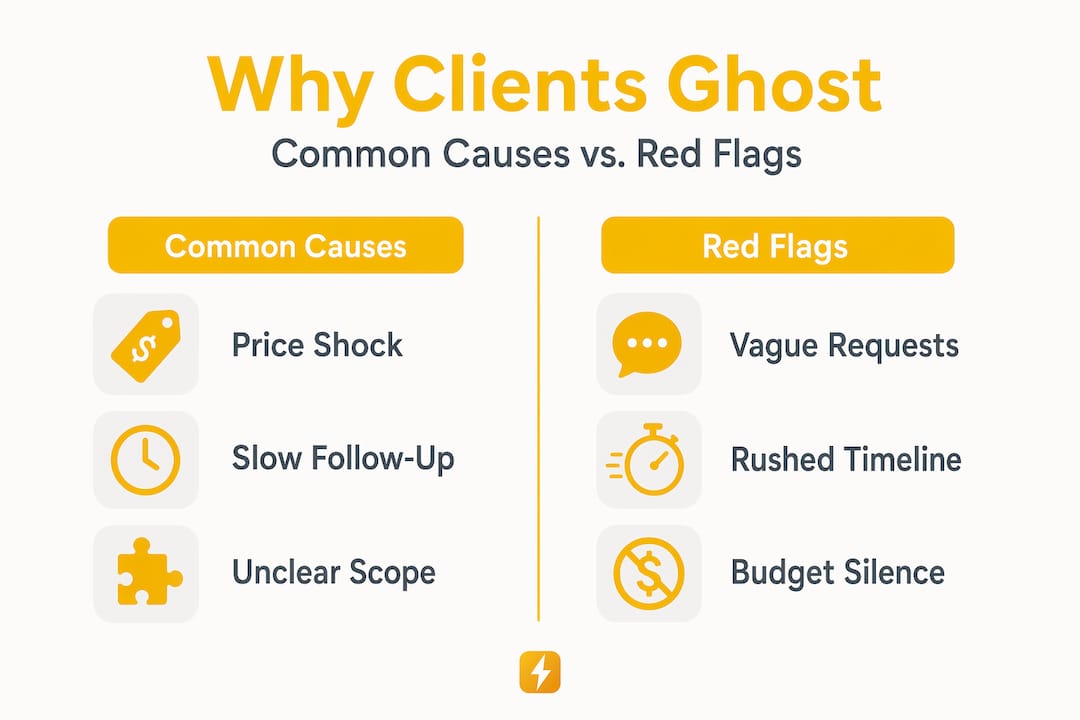
Here are the most common reasons clients disappear, ranked by how often contractors report them:
- Price shock after the estimate. The number came in higher than expected and the client does not know how to respond. Rather than negotiate, they avoid.
- Lack of urgency. The project feels optional or far off. Without a deadline, silence is easy.
- Slow or generic follow-up. A single "just checking in" email does not create momentum. Post-estimate ghosting correlates directly with weak follow-up and fee presentation.
- Hiring someone else without saying so. Clients often choose another contractor but feel too awkward to notify you.
- Emotional overload. Renovations and construction projects carry stress. Some clients shut down when the scope or cost feels overwhelming.
Knowing the red flags of bad contractor clients before you invest hours in an estimate is far more valuable than chasing someone who was never going to commit. Asking the right questions before quoting separates serious prospects from window shoppers. And be aware that client contractor communication issues do not always start with the client. Common subcontractor contract disputes can signal early that your internal communication processes need tightening too.
The operational and financial impact of client ghosting on contractors
Now that we understand why clients ghost, let's look at what it actually costs you. The dollar amount of a lost job is the visible part. The operational damage runs deeper.
Ghosting creates downstream chaos that includes capacity held for a project that never starts, idle subcontractors waiting on a call, and cash flow gaps that affect your ability to purchase materials for active jobs. A roofer who holds a crew slot for a ghost client loses those labor hours permanently. They do not come back.
Here is what the operational fallout typically looks like:
- Blocked calendar slots. You turned down another inquiry because this client seemed committed.
- Subcontractor idle time. If a specialty trade is scheduled and the client vanishes, you still owe relationship capital to that sub.
- Material pre-orders. Some contractors pre-purchase based on confirmed scope. A ghost client can leave you holding inventory.
- Cash flow stalls. Milestone payments that were expected to cover the next project's startup costs never arrive.
Stat to know: 94% of contractors report that site access delays stem from process issues, which create communication breakdowns that can look exactly like client ghosting. Not every silent client is avoiding you. Sometimes they are stuck in approval loops they do not know how to navigate.
This distinction matters. Treating a frustrated, confused client the same way you treat a truly disengaged one will cost you work. Understanding the difference lets you recover the relationship before it becomes a ghost situation. Smart scope creep prevention strategies and clear upfront agreements also reduce the kind of project friction that quietly pushes clients away. If you want to protect cash flow even further, knowing how to avoid clients who do not pay starts at the intake stage. Addressing subcontractor scheduling conflicts early also prevents the downstream fallout when a client goes quiet mid-project.
Building trust and collaboration to prevent ghosting
Understanding ghosting's operational impact highlights something important: preventing it is largely a trust problem. And trust is not soft. It is measurable.
Global research on construction contracts shows that 83% of built environment professionals agree trust is critical to project success, while 48% identified effective communication as the single top factor for minimizing disputes and client disappearance. Those numbers reflect what experienced contractors already sense: clients who feel informed do not ghost.
Here is a practical framework for building communication structure that prevents silence from turning into disappearance:
- Set a communication schedule on day one. Agree on how often you will check in, by what method, and who initiates. Put it in writing.
- Use milestone-tied updates. Instead of random check-ins, tie every update to a project phase. Completion of demo, start of framing, material delivery. This gives clients a rhythm to expect.
- Respond within 24 hours, always. Structured communication checkpoints close the window where ghosting starts. When clients know a response is coming, they stay engaged.
- Include a responsiveness clause in your contract. State clearly that if the client does not respond within X business days, the project schedule shifts. This creates accountability without confrontation.
- Send a weekly status note. Even a three-line summary of where things stand keeps clients from filling silence with anxiety.
Pro Tip: Use a simple shared document or project board that clients can view at any time. Transparency kills the speculation that leads to avoidance. When clients feel like a partner in the process rather than a passenger, ghosting risk drops significantly.
Reviewing a client red flags checklist before onboarding also lets you spot clients who are structurally unlikely to stay engaged. And prequalifying homeowners before quoting is one of the most effective contractor client relationship tips available because it filters out the low-commitment prospects before you invest real time.
Practical strategies to manage cost conversations and overcome client avoidance
With trust structures in place, the next challenge is the conversation most clients dread: money. Price is the single most common trigger for post-estimate ghosting, and most contractors make the mistake of treating it as a one-time reveal rather than an ongoing conversation.

Clients frequently ghost because they cannot bring themselves to say the price does not work for them. They feel embarrassed, or they assume negotiating is rude. So they disappear instead of engaging. That is not a character flaw. It is a communication gap you can close.
Here is how to approach it:
- Introduce budget ranges before you build the estimate. Ask what range the client has in mind. This normalizes the financial conversation and surfaces mismatches early.
- Frame cost discussions as problem-solving. "Here are three ways we can approach this at different price points" lands very differently than a flat number with no context.
- Follow up estimates with a call, not just an email. Post-estimate ghosting is driven by emotional and financial triggers that a phone call can address in real time.
- Charge a consultation fee for detailed scoping work. This filters out prospects who are not serious without a hard conversation.
Pro Tip: Clients who pay even a small fee for a consultation are statistically more likely to follow through. The fee creates a psychological commitment. It also signals that your time has value, which sets the right tone for the entire project relationship.
| Intake model | Client commitment level | Ghost rate | Best for |
|---|---|---|---|
| Free estimate, no form | Low | High | High-volume, fast jobs |
| Intake form only | Medium | Moderate | Mid-tier residential |
| Intake form + consultation fee | High | Low | Complex or high-value projects |
| Detailed intake + signed scope | Very high | Very low | Commercial or long-duration work |
Using intake filters to recognize price discomfort early and asking the right essential questions before quoting are two of the most direct ways to reduce ghosting after estimates.
Streamlining process and documentation to clarify expectations and reduce ghosting risks
Beyond communication tone, the structure of your project documentation plays a direct role in whether clients stay engaged or go quiet. Ambiguity creates openings for clients to disengage.
When expectations are unclear and documentation is inconsistent, risk compounds across the entire project lifecycle, increasing the likelihood of disengagement at every phase. Clients who feel confused about what was agreed often stop responding because they do not know what they are agreeing to next.
The fix is straightforward but requires discipline:
- Document every decision in writing, same day. Verbal approvals do not protect you. Unrecorded decisions give clients room to claim misunderstandings and stop responding.
- Use a formal change order process. Every scope change gets a written document with a client signature before work proceeds. This eliminates the "I didn't realize that would cost more" conversation.
- Create escalation paths in the contract. Specify what happens if communication breaks down: a formal pause notice, a reschedule fee, or a project suspension clause.
- Maintain a shared project log. This single source of truth keeps both parties aligned and reduces the speculation that leads to client avoidance.
| Documentation level | Client clarity | Dispute frequency | Ghost risk |
|---|---|---|---|
| Verbal only | Very low | High | High |
| Email threads only | Low to moderate | Moderate to high | Moderate to high |
| Written contracts + email | Moderate | Moderate | Moderate |
| Contracts + change orders + project log | High | Low | Low |
| Full digital documentation + client portal | Very high | Very low | Very low |
Check the contractor communication tips on the SnapQualify blog for more ways to keep documentation tight. And if you are still using basic forms, the intake form comparison is worth a read before your next project cycle.
Why most ghosting advice misses the real issue: trust and structured communication
Here is the uncomfortable truth. Most advice about why clients ghost contractors explained focuses on the wrong party. It blames the client, labels them flaky, and suggests scripts for aggressive follow-up. That is the wrong frame entirely.
Ghosting is almost always a symptom. The disease is a communication environment where the client never felt safe enough to be honest. When you treat ghosting as a client behavior problem, you miss the systemic gaps in your own process that made disappearing feel easier than talking.
Proactive updates maintain trust rather than functioning as busywork. That distinction is important. The contractors who reduce ghosting most effectively are not the ones chasing more aggressively. They are the ones who eliminated the silent windows where doubt grows. Milestone-tied updates, documented decisions, and clear next steps remove the spaces where clients drift.
Budget discomfort deserves special attention here. Clients ghost because they feel trapped by cost conversations they do not know how to exit politely. Normalizing budget talks during the intake stage, not after the estimate lands, is one of the highest-leverage moves a contractor can make. Most people do not know how to say "that is too expensive" without feeling like they are insulting your work. Give them a way to say it early.
Reframe ghosting as a trust metric. If a client disappears, ask what information they did not have, what silence they interpreted as a red flag, or what financial conversation you waited too long to have. That mindset shift turns ghosting from a frustrating mystery into actionable data. Use the client red flags checklist not just to screen clients out, but to understand why certain projects created avoidance in the first place.
How SnapQualify helps contractors reduce ghosting through better client screening
After exploring why clients ghost and how to prevent it, the practical question is: how do you build these screens and processes without adding hours to your workflow?
SnapQualify is built specifically for trade contractors and small construction businesses who need a faster, smarter way to qualify leads before investing real time. The platform sends clients an intelligent intake form that asks targeted questions about project scope, budget, and prior contractor experience. The AI-driven analysis generates a color-coded SnapScore that signals client reliability and project suitability at a glance. You know before the site visit whether this client is likely to commit. That means fewer ghost clients, fewer wasted estimates, and better cash flow planning. Your data is handled responsibly and you can learn more about how SnapQualify approaches data protection before you get started.
Frequently asked questions
What are the main reasons clients ghost contractors?
Clients most often ghost due to price shock, emotional discomfort discussing costs, slow follow-up from the contractor, or simply hiring another provider without notifying you. Understanding these triggers is the first step to preventing them.
How does ghosting affect a contractor's business beyond lost revenue?
Ghosting creates operational damage including idle subcontractors, held capacity, and cash flow stalls that can delay active projects and reduce your overall earning potential.
What communication practices help reduce client ghosting?
Trust and effective communication are the top factors that minimize ghosting. Concrete practices include setting agreed check-in schedules, documenting every decision, and sending regular status updates tied to project milestones.
How can contractors handle uncomfortable budget conversations to avoid ghosting?
Raise budget expectations during intake, not after the estimate, and frame cost discussions as options rather than fixed numbers. Clients often ghost to avoid saying no, so creating a safe space to discuss affordability early removes that trigger entirely.
Are site access delays related to client ghosting?
Sometimes. 94% of contractors report that site access delays come from process issues, which can create communication breakdowns that look like ghosting but are actually fixable operational gaps.