
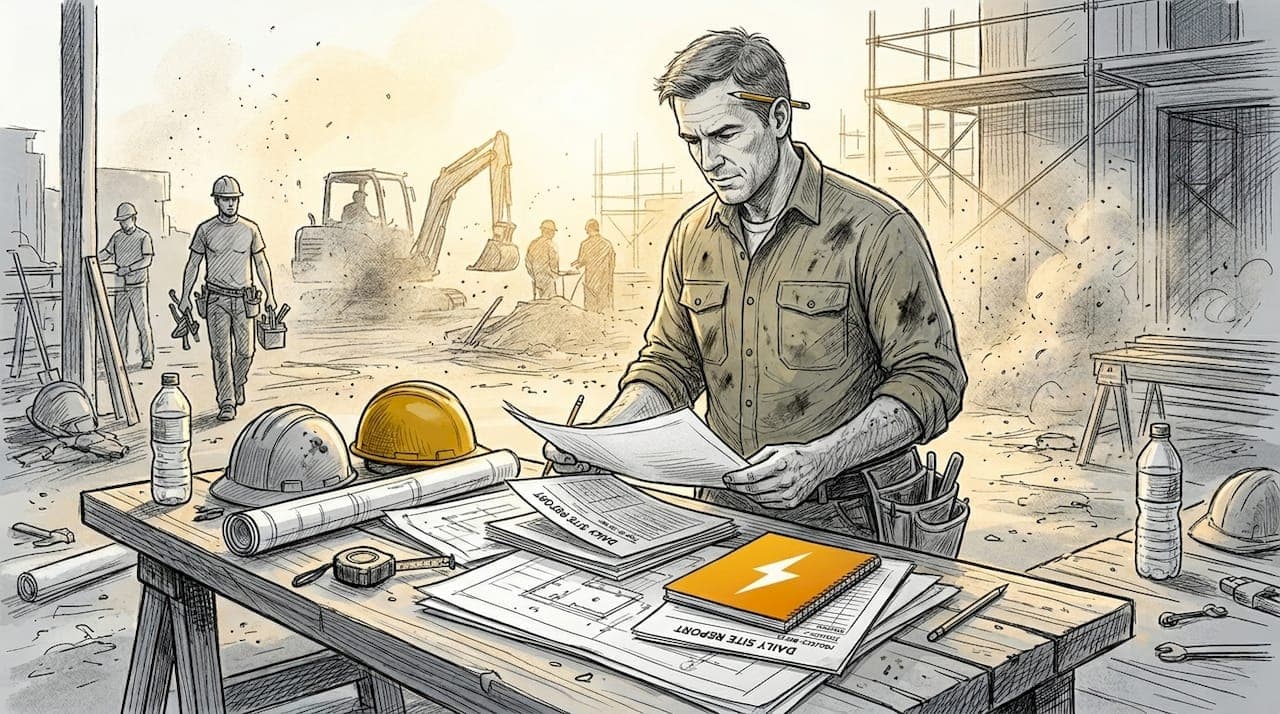
Most contractors assume burnout comes down to long hours and heavy lifting. That framing is incomplete, and it keeps too many trade professionals stuck in a cycle they can't fix because they're solving the wrong problem. Contractor burnout causes explained properly go well beyond physical fatigue. The WHO classifies burnout as a work-related phenomenon driven by chronic workplace stress, characterized by exhaustion, cynicism, and reduced efficacy. Once you understand the full picture, including workplace culture, mental strain, and outside-work pressures, you can actually do something about it.
Table of Contents
- Key takeaways
- Contractor burnout causes explained: culture and silence
- Core stress factors that push contractors toward burnout
- Signs of contractor burnout to watch for
- How to prevent contractor burnout
- My take on what actually moves the needle
- Protect your business before burnout takes hold
- FAQ
Key takeaways
| Point | Details |
|---|---|
| Burnout goes beyond fatigue | Workplace culture, silence about stress, and job design are root causes contractors often miss. |
| Silence amplifies the problem | Fear and stigma around reporting stress make burnout worse and lower productivity on the job. |
| Warning signs show up early | Behavioral and communication changes signal burnout before performance fully collapses. |
| Benefits alone don't fix it | Structural changes to workload and schedule matter more than wellness perks. |
| Client stress is a real factor | Difficult clients, payment disputes, and scope creep add chronic pressure that compounds burnout risk. |
Contractor burnout causes explained: culture and silence
The most underappreciated driver of burnout in construction is not what happens on the job. It is what does not get said. Research on Irish construction managers found that even managers under significant stress avoided reporting it because of fear, stigma, and deep mistrust of how the information would be used. That silence made everything worse.
Construction culture carries a strong norm around endurance. You push through. You do not complain. You handle it. That norm is understandable given the physical and competitive nature of the trade. But it creates a specific kind of trap. When stress goes unreported, it also goes unaddressed. Workloads do not adjust. Schedules do not shift. The same pressure continues to build, and there is no release valve.
The organizational costs are real. Stress nondisclosure is directly linked to increased burnout, higher turnover, and greater safety risk on job sites in male-dominated industries. When your crew or your own business operates under a code of silence about mental strain, you are not being tough. You are absorbing risk that will eventually show up in your numbers, your relationships, or your health.
"Burnout risk is less about perceived stress and more about job design factors like control, resources, and psychological safety."
- Workers avoid reporting stress due to fear of judgment or retaliation
- Masculine norms in construction make admitting mental strain feel like weakness
- Undisclosed stress leads to higher absence rates and productivity drops
- Organizations that normalize stress disclosure catch problems earlier and respond faster
Pro Tip: You do not need a formal mental health program to shift the culture. Start by asking your crew a simple question at the start of the week: "What's the one thing that would make this week easier?" That single habit signals psychological safety without any special training required.
Core stress factors that push contractors toward burnout
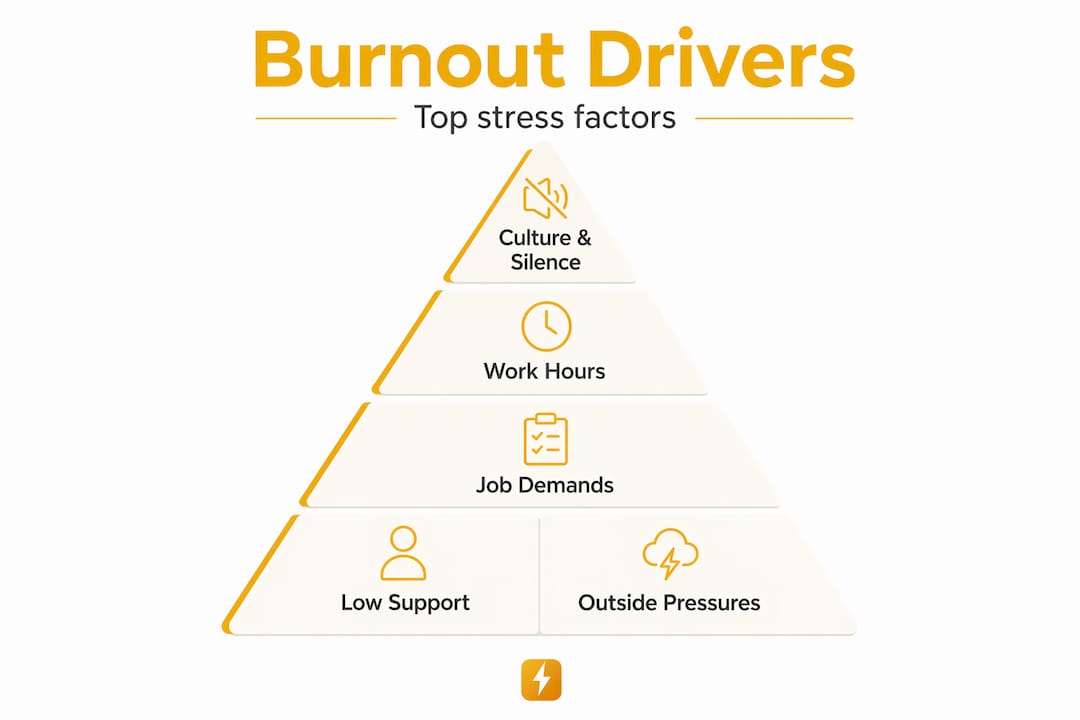
Physical demands are real, but the pressure that burns contractors out is often mental. NIOSH data shows that high job demands combined with low supervisor support are among the strongest predictors of frequent mental distress in construction. That combination, a full plate with no backup, is the definition of an unsustainable work environment.
Here are the primary stress categories that contribute directly to burnout in construction:
- Extended hours with no recovery time. 45% of UK construction workers cite long hours as a main burnout driver. When 50-plus-hour weeks become the baseline rather than the exception, cognitive and physical reserves never fully rebuild.
- Tight deadlines and accelerated schedules. Project timelines often compress mid-job, forcing contractors to absorb the cost in hours and mental bandwidth.
- Heat exposure and multi-shift demands. Sustained physical stress adds to cognitive load, reducing decision quality and increasing error risk.
- Financial instability and payment disputes. Chasing a check while trying to manage a live project is one of the most draining combinations in the trade. Understanding why payment disputes happen can help you get ahead of that stressor.
- Outside-work pressures. 32% of construction workers point to stressors outside work as a major burnout contributor. Family pressure, financial strain, and poor work-life boundaries do not stay home when you show up on site.
| Stress category | Primary impact | Risk level |
|---|---|---|
| Extended hours | Physical and cognitive fatigue | High |
| Tight deadlines | Anxiety, error rate increase | High |
| Difficult clients | Chronic frustration, scope creep | High |
| Outside-work pressures | Emotional exhaustion | Medium-High |
| Heat and physical demands | Mental and physical depletion | Medium |
The takeaway here is that burnout is driven by inside-work and outside-work factors simultaneously. Fixing one without addressing the other rarely produces lasting change.
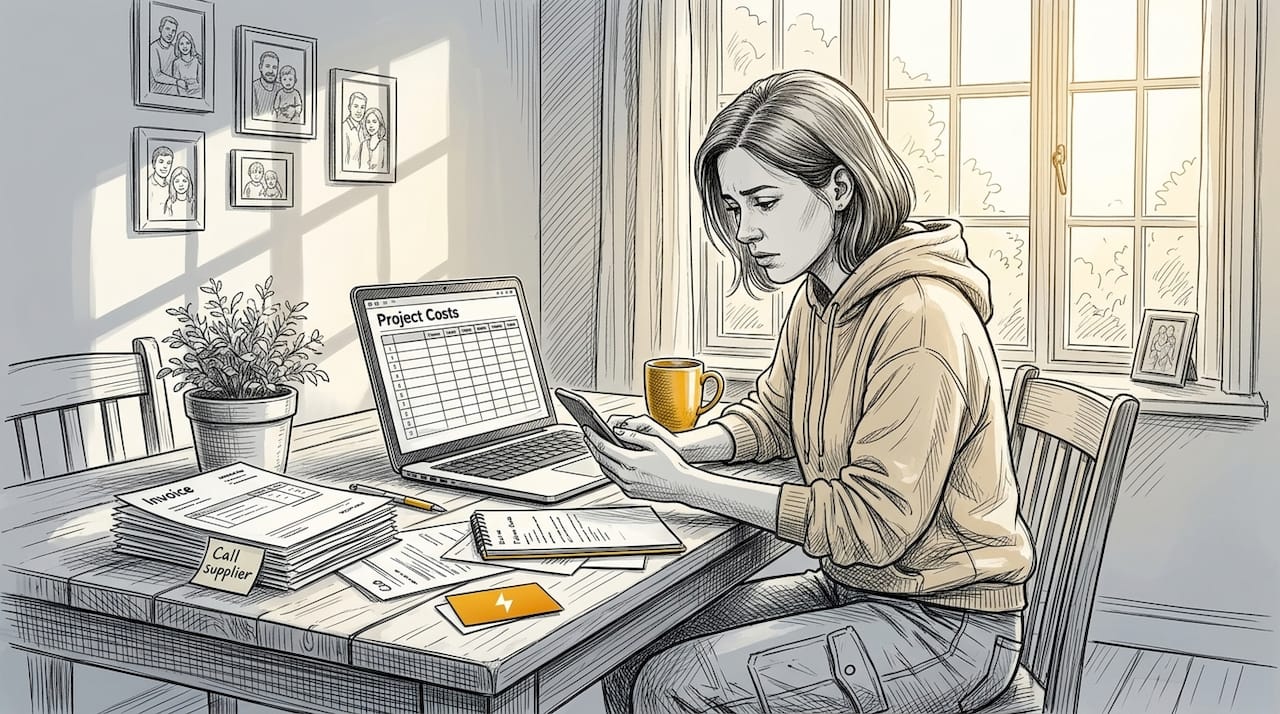
Signs of contractor burnout to watch for
Burnout does not arrive all at once. It builds, and the early signs show up in behavior well before performance fully collapses. Recognizing them early is the fastest path to intervention.
Watch for these behavioral and physical signals:
- Communication changes. Short answers, missed calls, delayed responses on estimates. A contractor who was once responsive going quiet is a notable signal.
- Increased error rate. Mistakes on bids, missed scope items, or repeated issues on a job that would not have happened six months ago.
- Withdrawal from the work. Less initiative, doing only what is required, avoiding new bids or client conversations.
- Risk-taking shortcuts. Cutting corners on safety protocols or skipping steps to get through the day faster.
- Physical symptoms. Persistent fatigue that sleep does not fix, frequent illness, trouble focusing for extended periods.
Mental fatigue and cognitive overload are now being treated as direct safety hazards on job sites in Texas, with contractors embedding mental health risk into standard job hazard analysis. That framing is useful. If you would track a physical hazard on your job, apply the same attention to cognitive overload.
Pro Tip: If you run a crew, watch for the person who has gone from vocal to quiet over a few weeks. That shift is often the first visible sign of burnout before any formal performance issue appears. Check in privately, not in front of the group.
How to prevent contractor burnout
The most common prevention mistake is treating burnout like a wellness problem when it is actually an operational one. Wellness benefits alone do not address burnout that is rooted in workday structure and culture. Here is what does work:
- Embed mental strain into your safety routine. Add a question about fatigue and workload to your pre-task or toolbox talks. Integrating mental health prompts into existing safety procedures supports early fatigue detection without adding a separate program.
- Create a non-judgmental reporting channel. You do not need HR software. A direct, private conversation with clear commitment to no retaliation goes a long way. Critically, reports should lead to workload adjustments, not just referrals to a hotline.
- Protect your schedule from the outside in. Scope creep, demanding clients, and chaotic project cycles are major contributors to chronic stress. Screening clients before you commit to a project is one of the most direct levers you have. Reading about headache client red flags before you quote can save you weeks of frustration.
- Build recovery into the calendar. Treat downtime as scheduled maintenance, not a reward. Plan at least one full day off per week with genuine project separation.
- Train yourself and any lead staff to spot early signs. Burnout caught at week three is far easier to address than burnout caught after a project failure or safety incident.
| Approach | What it addresses | Realistic for small contractors |
|---|---|---|
| Mental strain in safety talks | Early fatigue detection | Yes |
| Private reporting culture | Disclosure hesitancy | Yes |
| Client screening | Client-driven stress | Yes |
| Workload adjustment | Demand-resource imbalance | Yes |
| Scheduled recovery time | Cognitive overload and fatigue | Yes |
Pro Tip: Review your last three projects and ask honestly: which ones added more stress than revenue justified? That pattern reveals your highest-risk client and project types, and it is the first input you need to make smarter intake decisions.
My take on what actually moves the needle
I have seen contractors invest in gym memberships for their crew and post mental health hotline numbers in the break room, and still lose people to burnout within a year. That approach treats burnout as something a person experiences privately when it is really something a business produces structurally.
What I have found actually works starts with normalizing the conversation around stress, not in a formal, HR-driven way, but as a regular part of how the job gets talked about. When a project manager asks "what is slowing you down this week?" in a Monday briefing, the stigma drops gradually. That consistent signal, that stress is worth naming, is more protective than any benefit package.
I have also watched contractors dramatically reduce their burnout risk by getting more selective about clients. Difficult clients, chronic scope changes, and payment battles are not just business annoyances. They are chronic stressors that accumulate over months. Building a system to screen those situations before they start is not overhead. It is protection for your own capacity.
The harder truth is that if you are running a small contracting business, you are probably both the employer and the employee most at risk. Nobody is watching out for your limits. You have to build that structure yourself.
— Colin
Protect your business before burnout takes hold
One of the most direct ways to reduce the chronic stress that fuels burnout is cutting problem clients out of the pipeline before a project starts. Difficult clients, unpaid invoices, and scope that never stops growing are not random bad luck. They are often predictable risks. SnapQualify gives you an automated intake process that screens leads before you invest your time, flagging high-risk clients with a color-coded SnapScore so you walk into every quote knowing what you are dealing with. Less firefighting, fewer financial surprises, and more energy for the work that actually pays you well. Screen clients before you quote and start protecting your capacity from the first conversation.
FAQ
What are the main causes of contractor burnout?
Contractor burnout is caused by a combination of extended hours, tight deadlines, high job demands with low support, difficult clients, and financial instability. Outside-work stressors and poor work-life boundaries contribute significantly as well.
Why do contractors avoid reporting stress at work?
Fear of judgment, stigma around showing vulnerability, and mistrust of how the information will be used all drive disclosure hesitancy. Research on construction managers shows this silence directly worsens burnout and increases absence rates.
What are the early signs of burnout in construction workers?
Early signs include communication withdrawal, increased errors, reduced initiative, physical fatigue that does not resolve with rest, and shortcuts on safety procedures. Catching these signals in the first few weeks produces far better outcomes than waiting for a crisis.
Do wellness programs prevent burnout in construction?
Not on their own. Benefits recognition in construction is relatively high, yet one in four workers still report burnout. The real fixes are structural: workload adjustment, schedule protection, and a culture where stress can be disclosed without fear.
How can independent contractors manage burnout risk?
Screen clients carefully before committing to projects, build recovery time into your schedule, add mental strain questions to your safety routine, and normalize stress conversations with your crew. Addressing both job demands and outside-work pressures gives you the best chance of staying ahead of burnout.